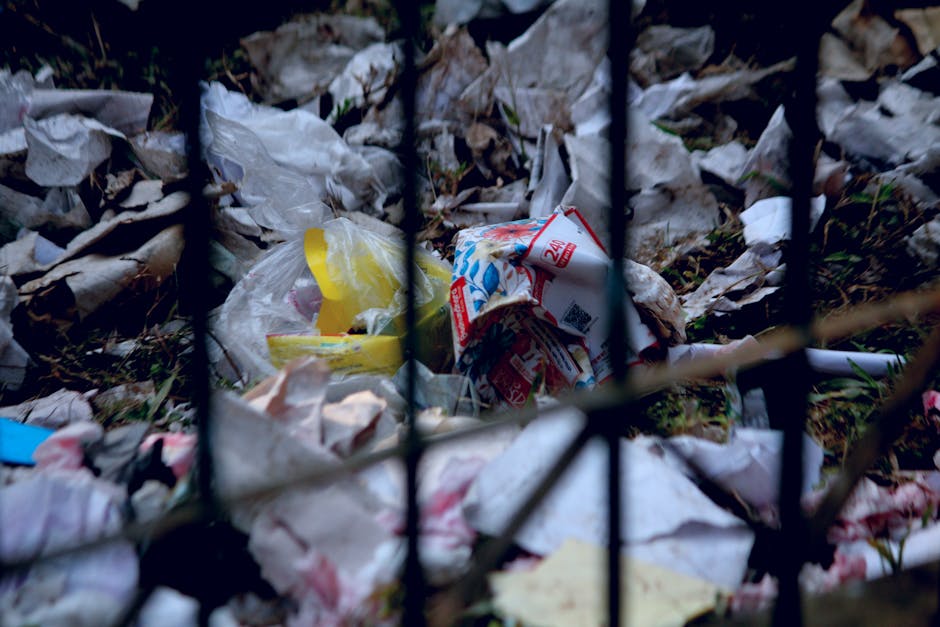
Haringey Council rules for Harringay waste and cleaning disposal: a practical local guide
If you live or work in Harringay, waste clearance can feel straightforward until it suddenly isn't. One day you're bagging kitchen rubbish; the next you're staring at a broken wardrobe, a pile of builder's dust, or the remains of a deep clean and wondering what the council will actually accept. That is where understanding Haringey Council rules for Harringay waste and cleaning disposal really helps. It saves time, keeps pavements tidy, reduces fly-tipping risk, and makes everyday cleaning jobs much less stressful. In plain English, this guide explains what to do, what to avoid, and how to stay on the right side of local expectations without overcomplicating the job.
There's a simple truth here: most waste problems are not about bad intentions, just poor sorting or last-minute assumptions. A bit of know-how goes a long way.
Table of Contents
- Why Haringey Council rules for Harringay waste and cleaning disposal matters
- How Haringey Council rules for Harringay waste and cleaning disposal works
- Key benefits and practical advantages
- Who this is for and when it makes sense
- Step-by-step guidance
- Expert tips for better results
- Common mistakes to avoid
- Tools, resources and recommendations
- Law, compliance, standards, or best practice
- Options, methods, or comparison table
- Case study or real-world example
- Practical checklist
- Conclusion
- Frequently asked questions
Why Haringey Council rules for Harringay waste and cleaning disposal Matters
Waste disposal is one of those everyday tasks that quietly affects the whole street. If rubbish is left out too early, bags split, or cleaning waste ends up in the wrong container, it can attract pests, create smell, and make shared spaces look neglected. In a busy place like Harringay, where terraces, flats, shops, and communal entrances sit close together, those little issues become everybody's issue fast.
Following the local approach to waste and cleaning disposal also helps with more than appearances. It supports recycling, reduces contamination, and keeps you from making an expensive mistake with bulky or specialist waste. If you manage a property, a tenancy changeover, or a commercial clean, the stakes go up again. A missed rule can mean extra handling, delay, or a complaint from neighbours. Not ideal.
For landlords, letting agents, cleaners, and tenants alike, the practical goal is the same: get rid of waste safely, legally, and without leaving a mess for someone else. That means understanding the difference between normal household rubbish, recycling, bulky items, and waste from a deeper clean or post-renovation job. If you are planning an intensive clean, it may also help to read about the scope of a deep cleaning service or end of tenancy cleaning, because the type of clean often decides the type of waste you end up with.
Expert summary: the safest approach is to sort first, bag correctly, keep recyclables clean and separate, and treat bulky or hazardous items as special cases rather than an afterthought.
How Haringey Council rules for Harringay waste and cleaning disposal Works
At a practical level, the council's waste system is usually built around a few familiar categories: general waste, recycling, food waste where applicable, and special arrangements for bulky or difficult items. The exact collection setup may vary depending on your street, property type, or building arrangement, so one flat might use bins a little differently from a house round the corner. That is normal in London. Annoying sometimes, but normal.
For everyday cleaning disposal, the main idea is simple: clean waste should go into the correct stream, and anything that could cause contamination should be separated. That means no food-stained cardboard in recycling, no liquid left sloshing in bottles, and no cleaning chemicals tipped into drains just because the bottle is nearly empty. Small habits matter here.
If you are dealing with post-cleaning waste from a bigger job, the process is a little more involved. Builders' dust, broken fittings, old flooring offcuts, thick carpet underlay, and large broken furniture pieces can fall outside normal household collections. If you are clearing up after a refurbishment, it may be useful to look at an after builders cleaning approach, because those jobs usually generate waste that needs more careful sorting.
Shared buildings add another layer. In communal hallways or apartment blocks, you need to keep exits clear, avoid blocking access routes, and respect building rules as well as council expectations. A large bag left outside a front door for "just a minute" has a way of becoming a day-long problem. Ask anyone who has had to move it through wet weather. Not fun.
What usually counts as normal cleaning waste?
- Dust, dirt, and vacuumed debris
- Used cloths, disposable wipes, mop heads, and paper towels
- Empty packaging from cleaning products, if rinsed and suitable for recycling
- Small amounts of general household rubbish from decluttering
What needs more care?
- Old paint tins, solvents, bleach-heavy products, or anything hazardous
- Broken glass, sharp metal, and damaged fittings
- Furniture, mattresses, rugs, and bulky soft furnishings
- Renovation debris or heavy soil contamination
Key Benefits and Practical Advantages
Getting disposal right has a few immediate wins. First, your property stays cleaner for longer. Waste that is handled properly does not spread dust back through the home or leave residue in bins and corners. Second, you reduce the chance of extra charges or rework, especially after tenancy cleans, move-outs, or commercial turnover jobs.
There is also a trust factor. If you are a tenant handing a flat back, a landlord preparing for new occupants, or a business manager maintaining shared premises, tidy and compliant disposal sends a good signal. It says the job has been completed with care. That matters more than people admit.
For households, the benefit is mostly convenience. For businesses, it can be operational stability. For cleaners, it is about working efficiently and safely. For neighbours, it means less mess on the pavement, fewer smells from half-sorted waste, and less chance of bags bursting on a windy afternoon.
One practical advantage worth mentioning: proper disposal makes final inspections easier. If you are moving out, using a well-structured move out cleaning plan alongside correct waste handling can reduce the little disputes that happen over forgotten rubbish in cupboards or on balconies. Those disputes are rarely glamorous. They are, however, very avoidable.
Who This Is For and When It Makes Sense
This topic is relevant to more people than you might think. It is not only for people with overflowing bins. It matters if you rent, own, manage, clean, renovate, or run a local business in Harringay.
- Tenants: especially before check-out, after decluttering, or after a deep clean
- Landlords and letting agents: when preparing a property between occupancies
- Homeowners: for seasonal clear-outs, big cleans, and room refreshes
- Businesses: offices, shops, cafes, and shared premises with regular waste flow
- Cleaners and contractors: when a job produces rubbish, packaging, or contaminated items
- Residents in communal buildings: where bin storage, access, and shared responsibility all matter
It also makes sense whenever you are handling anything awkward or borderline. Think old mattresses, ripped upholstery, broken shelves, or a stack of cleaning debris after an intense Sunday tidy-up. If the item is too awkward for a normal black bag, pause and sort it properly rather than hoping for the best. Hope is not a waste strategy.
For recurring upkeep, a service like regular cleaning can help prevent waste from building up in the first place. That sounds obvious, but in the real world the difference between a manageable bin bag and a small mountain of clutter is often just routine.
Step-by-Step Guidance
If you want a simple, workable method, use this sequence. It is basic, but it works.
- Identify the waste type. Separate general rubbish, recycling, food waste, bulky items, and anything hazardous. If an item contains liquid, chemicals, needles, or sharp edges, treat it carefully.
- Remove contamination. Rinse recyclable packaging where appropriate. Flatten cardboard. Empty bottles. Close lids tightly on any product containers.
- Bag or box waste securely. Use strong sacks for general waste and avoid overfilling. A bag that tears on the pavement creates a second job immediately.
- Keep shared access areas clear. Do not block hallways, entrances, steps, or fire routes. In a flat block, that matters even if it is only for a short time.
- Check whether the item needs special handling. Bulky furniture, mattresses, and renovation debris often need a different route from day-to-day household waste.
- Schedule disposal at the right time. Put waste out according to collection arrangements and avoid leaving it exposed too early.
- Finish with a final sweep. Look under radiators, behind doors, in skirting edges, and around bin areas. That last glance catches the forgotten fluff, the little screw, the tea bag in the corner.
If you are working after a property refresh, pairing the clean with targeted services can reduce waste and confusion. For example, oven cleaning and window cleaning usually create different kinds of debris, and both need sensible disposal habits. A good cleaner does not just make things look better; they leave the place organised too.
Expert Tips for Better Results
In our experience, the best waste jobs are boring ones. Everything is sorted early, nothing is left to improvise, and nobody is making panicked decisions with a bin bag in one hand and keys in the other.
Practical tips that save time
- Use two-step sorting: first by type, then by disposal route. It is faster than trying to decide item by item later.
- Keep a small "hazard" box: for batteries, sharp fragments, broken attachments, and empty chemical containers until you can deal with them properly.
- Don't mix wet and dry waste: soggy cardboard and food waste contaminate far more than people realise.
- Plan bulky waste before the clean starts: if you know a sofa or mattress is going, clear the route first.
- Use sturdy liners in cleaning caddies: they keep cloths, wipes, and leftover debris from leaking around the property.
A small human thing, but useful: open a window before dealing with bins or old cleaning residue. The room feels different instantly, less heavy. That fresh-air reset can make a big clean feel much more manageable.
For homes with upholstery or soft furnishings, a planned service such as sofa cleaning, rug cleaning, or upholstery cleaning can cut down the amount of replacement waste you might otherwise generate. Sometimes the sensible move is to clean rather than discard.
Common Mistakes to Avoid
Most waste errors are easy to spot once you know what to look for. The trouble is that people usually only spot them after a complaint, a missed collection, or a bag torn open by rain and a fox. Nature can be very efficient, unfortunately.
- Putting contaminated items in recycling. Greasy takeaway boxes, food-covered packaging, and wet paper are common culprits.
- Leaving waste outside too early. This can clutter pavements and invite damage, theft, or spreading litter.
- Mixing general rubbish with cleaning chemicals. That can create safety risks for anyone handling the bag later.
- Ignoring bulky item rules. A mattress or broken wardrobe is not just "another bag" in disguise.
- Blocking communal areas. Shared entrances, stairs, and corridors are not storage space, even for a few minutes.
- Forgetting landlord or lease terms. Some buildings have their own waste room rules, collection windows, or disposal procedures.
One more mistake worth calling out: assuming "someone else will sort it out." That approach is how rubbish lingers for days, then becomes everybody's problem. It is rarely dramatic at first. It just quietly gets worse.
Tools, Resources and Recommendations
You do not need a huge kit to manage waste well. A few sensible tools make the job much easier.
| Tool or item | Why it helps | Best use |
|---|---|---|
| Heavy-duty refuse sacks | Reduce splitting and leaks | General clean-up waste, cloths, paper, light debris |
| Stackable boxes or tubs | Keep small items sorted | Decluttering, fittings, and mixed small waste |
| Labels or marker pens | Make sorting obvious | Shared households and move-out cleanups |
| Gloves and basic PPE | Improve safety and hygiene | Sharp, dirty, or dusty jobs |
| Vacuum with sealed bag or container | Controls dust better | Deep cleans, carpets, and dusty corners |
On the service side, it can help to work with cleaners who understand disposal and not just surface shine. If you are comparing options, review the details on domestic cleaning, house cleaning, or communal area cleaning to see which type of support best fits your property.
If the job is larger than expected, you may also want to look at one-off cleaning or commercial cleaning depending on whether the space is residential or business-focused. The right service can reduce both waste confusion and cleanup time.
Law, Compliance, Standards, or Best Practice
Without pretending to give legal advice, the safe principle is clear: do not dispose of waste in a way that creates hazard, nuisance, contamination, or illegal dumping. In the UK, households, landlords, and businesses all have responsibilities around proper waste handling, and local council arrangements sit inside that broader duty of care.
For everyday users, best practice usually means:
- keeping waste contained and secure
- sorting recycling properly
- separating any hazardous or specialist material
- not blocking shared spaces or public walkways
- using approved collection or disposal routes for bulky or unusual items
Businesses should be extra careful. Commercial waste, packaging, and cleaning residue can carry different expectations from domestic waste, and a tidy shopfront is no excuse for improper disposal behind the scenes. If you manage a workspace that needs routine attention, it is worth considering office cleaning alongside a consistent waste process.
Where uncertainty exists, the sensible move is to treat the item as special rather than ordinary. That one habit prevents most problems. It's not glamorous, but it works.
Options, Methods, or Comparison Table
Not every waste problem needs the same solution. Here is a simple comparison of common approaches used by Harringay households and businesses.
| Method | Best for | Strengths | Limitations |
|---|---|---|---|
| Household bin sorting | Daily rubbish and light recycling | Simple, low-cost, familiar | Not suitable for bulky or hazardous waste |
| Planned clean-and-sort routine | Deep cleans and move-outs | Reduces contamination and missed items | Takes a little more prep |
| Professional cleaning support | Busy homes, landlords, shared buildings | Efficient, structured, less stress | Depends on service scope |
| Special handling for bulky items | Furniture, mattresses, fittings | Safer and more compliant | Needs planning and sometimes extra arrangement |
For many people, the best option is not one method alone but a mix. A home clean might use bin sorting for everyday waste, a special route for an old mattress, and professional help for the rest. That hybrid approach is often the most realistic one.
Case Study or Real-World Example
Here's a very ordinary, very real kind of situation. A couple in a Harringay flat decides to move out on a Friday morning. Over the week they've done a spring clean, found a broken bedside table, three bags of old clothes, some food packaging from clearing cupboards, and a grimy oven tray that has, frankly, seen better days.
If they treat all of that as one pile, the move gets messy fast. Bags are mixed, recycling becomes questionable, and the hallway starts looking like a storage cupboard. But if they sort as they go, the process changes completely.
The clothes go to the right reuse route if available. The food packaging is separated from clean cardboard. The broken table is set aside for bulky handling. The oven tray gets cleaned or binned depending on its condition. The remaining general waste is bagged securely and put out at the right time. By the end of the day, the flat smells fresher, the bin area is tidy, and the checkout walk-through feels calm rather than rushed.
That is the point. Good disposal is not a grand system. It is just fewer surprises.
Practical Checklist
Use this checklist before and after any major clean or disposal job in Harringay.
- Have I separated general waste, recycling, and any special items?
- Are all bags sealed and strong enough to carry without splitting?
- Have I removed liquids, food residue, or loose contamination from recyclables?
- Have I checked whether any item needs bulky waste handling?
- Are shared hallways, entrances, and fire routes left clear?
- Have I labelled boxes or bags if other people will handle them?
- Have I kept chemicals, sharp items, and damaged goods apart?
- Do I know when the next collection or disposal window is?
- Have I done a final sweep for screws, dust, packaging, and small scraps?
- Does the space look and smell properly finished, not half-done?
If you can tick most of those off, you are probably in good shape. If not, pause and sort the awkward bits now rather than later. Future-you will be grateful. Honestly.
Conclusion
Haringey Council rules for Harringay waste and cleaning disposal are easiest to follow when you break them down into simple habits: sort properly, keep waste contained, respect shared spaces, and treat bulky or hazardous items with care. That is the whole game, really. Whether you are cleaning your own home, preparing a rental, or managing a business property, good disposal protects standards and reduces stress.
The best results usually come from a calm, methodical approach. Nothing fancy. Just sensible choices, made early.
If you are planning a bigger clean or want support that keeps waste handling under control as part of the job, it helps to work with services that understand the full process from surface clean to final tidy-up.
Get a free quote today and see how much you can save.
Frequently Asked Questions
What counts as cleaning waste in Harringay?
Cleaning waste usually includes dust, cloths, disposable wipes, vacuum debris, packaging from cleaning products, and small household rubbish gathered during a clean. If something is wet, sharp, chemical-heavy, or bulky, it needs a bit more thought before disposal.
Can I put cleaning wipes and paper towels in the regular bin?
In many homes, yes, if they are contaminated and not suitable for recycling. The key is not to mix them with recyclable paper or cardboard. If you are unsure, keep them in general waste rather than risking contamination.
What should I do with old cleaning chemicals?
Do not pour them into drains or mix them with ordinary rubbish without checking whether they need special handling. Chemicals, bleaches, and solvents should be treated cautiously because they can create safety issues for anyone later handling the waste.
How do I dispose of bulky items after a clean?
Bulky items such as furniture, mattresses, and large broken fittings often need a separate disposal route rather than normal household bins. The safest approach is to plan for them before the clean begins so they do not end up blocking hallways or piling up at the end.
Does Harringay waste disposal change for flats and shared buildings?
Yes, shared buildings can have extra rules about bin rooms, access, and collection areas. You also need to be careful not to leave waste in communal entrances or corridors. In flats, a tidy plan matters even more because one person's shortcut can affect everyone.
What is the biggest mistake people make with cleaning disposal?
Probably mixing waste streams. A few food-stained boxes in recycling, a half-full cleaning bottle in the wrong bag, or a bulky item left by the doorway can create more problems than people expect. Small mistakes often snowball.
Is professional cleaning useful if I still have to handle waste myself?
Yes, because a good cleaner reduces the amount of mess you have to manage and helps keep the process organised. Services like move in cleaning or move out cleaning are especially helpful when there is a lot going on and very little time.
Can I leave rubbish outside my home if collection day is soon?
Only if it is done in line with local collection arrangements and does not block pavements, entrances, or shared access. Leaving waste out too early can attract pests, spread litter, and create complaints from neighbours.
Do I need to separate recyclable packaging from normal waste after cleaning?
Yes, where practical. Clean cardboard, plastic containers, and similar items are easier to recycle when they are dry and uncontaminated. Once they are greasy or wet, they often end up as general waste instead.
What if my property has a lot of old upholstery or soft furnishings?
Then you will want to think beyond the bin. Soft furnishings often need special disposal handling, and in some cases it is better to clean rather than replace. That is where services such as carpet cleaning or mattress cleaning can be a practical alternative.
How can businesses in Harringay stay compliant with waste disposal expectations?
Businesses should keep waste separated, secure, and out of public walkways. They should also make sure staff understand the disposal process, especially for packaging, cleaning materials, and anything potentially hazardous. Routine commercial cleaning can help support that discipline.
Where should I start if I'm overwhelmed by a big clean?
Start with sorting, not lifting. Make three piles: keep, recycle, and dispose. Then deal with the awkward items second, not first. Once the waste is under control, the rest of the clean suddenly feels far less daunting. A bit of progress early on changes everything.
And that, really, is the practical heart of it: steady habits, fewer surprises, and a cleaner Harringay at the end of the day.