Office Cleaning in Modern Workspaces: Creating Healthier, More Productive Environments
Office cleaning is more than a routine task; it is an essential part of maintaining a professional, healthy, and productive workplace. Whether you manage a small startup, a growing corporate office, or a shared coworking space, office cleaning directly affects how employees feel, how clients perceive your brand, and how smoothly daily operations run. A well-maintained workspace supports morale, reduces distractions, and helps create an environment where people can focus on meaningful work.
In today’s business world, cleanliness is closely linked with trust. Visitors often judge a company’s professionalism within seconds, and one of the first things they notice is the condition of the office. Dusty desks, smudged glass, overflowing bins, and dirty restrooms can quickly create a negative impression. On the other hand, a tidy, fresh, and organized environment communicates care, attention to detail, and respect for employees and guests alike.
Effective office cleaning also supports workplace hygiene. Desks, keyboards, door handles, meeting tables, and shared appliances are high-touch areas where germs can spread quickly. Regular cleaning and disinfection reduce the risk of illness, lower absenteeism, and contribute to a healthier office culture. For many businesses, investing in consistent cleaning services is not just about appearance; it is about protecting people and maintaining continuity.
Why Office Cleaning Matters for Every Business

A clean office has a powerful influence on performance, perception, and overall workplace well-being. Employees spend a large portion of their day at work, and the condition of the environment affects their comfort and productivity. When office cleaning is handled properly, staff members are more likely to stay focused, feel valued, and take pride in their surroundings.
Cleanliness also plays a major role in brand reputation. Clients, investors, and partners often form opinions based on what they see when they enter your premises. A polished workspace suggests reliability and professionalism, while a neglected one can raise concerns about how the business operates. For organizations that host frequent visitors, office cleaning becomes part of the company’s identity.
Regular office cleaning is also important for compliance and risk management. In many industries, hygiene standards and workplace safety expectations are taken seriously. Even when regulations are minimal, maintaining a clean office helps reduce slip hazards, clutter-related accidents, and the buildup of allergens or contaminants that may affect staff health.
The hidden productivity benefits
Messy desks, dusty surfaces, and cluttered common areas can increase stress and reduce concentration. A clean workspace, by contrast, supports clear thinking and more efficient work habits. Employees spend less time searching for items, dealing with unpleasant odors, or worrying about the state of shared spaces. Office cleaning can therefore support productivity in practical and measurable ways.
Key workplace advantages
- Improved employee morale and satisfaction
- Reduced spread of bacteria and viruses
- Better first impressions for visitors and clients
- Longer lifespan for furniture, flooring, and equipment
- Lower maintenance costs over time
What Professional Office Cleaning Includes

Professional office cleaning typically involves a wide range of tasks designed to keep the workplace sanitary, organized, and presentable. The exact scope of service depends on office size, business type, occupancy, and cleaning frequency. Some businesses need daily cleaning, while others may require weekly or specialized support. In any case, a structured cleaning plan ensures that important details are never overlooked.
Standard office cleaning services often include dusting, vacuuming, mopping, restroom sanitation, waste removal, and cleaning of shared surfaces. Many providers also take care of reception areas, conference rooms, kitchenettes, and high-traffic zones. These tasks help maintain a polished and welcoming atmosphere throughout the building.
Some workplaces require deeper or more specialized cleaning. For example, IT departments may need careful cleaning around cables and devices, while medical offices or laboratories may need stricter sanitation procedures. In modern commercial environments, office cleaning services are often tailored to the unique needs of the property and the people working there.
Typical tasks in an office cleaning checklist
- Dusting desks, shelves, and baseboards
- Cleaning and disinfecting door handles and switches
- Vacuuming carpets and rugs
- Mopping hard floors
- Emptying bins and replacing liners
- Cleaning restrooms and replenishing supplies
- Wiping down communal kitchen surfaces
- Sanitizing meeting tables and shared equipment
Depending on the workplace, additional services may include window cleaning, upholstery care, floor polishing, and deep cleaning for carpets or ventilation points.
How Office Cleaning Supports Health and Hygiene
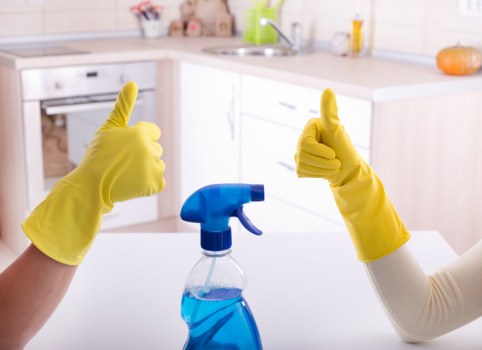
Health and hygiene are among the strongest reasons businesses prioritize office cleaning. Offices bring people together in shared environments, which means germs can spread quickly if cleaning is inconsistent. Regular cleaning reduces contamination on frequently touched surfaces and helps create a safer place for employees to work.
High-touch areas are especially important. Door handles, elevator buttons, keyboards, phones, coffee machines, and bathroom fixtures can collect bacteria throughout the day. Proper office cleaning in busy workplaces includes routine disinfection of these surfaces to limit the spread of illness. This is particularly valuable during cold and flu season or in periods when workplace health concerns are elevated.
Good cleaning practices also improve indoor air quality. Dust, pollen, and other particles can accumulate in carpets, vents, and upholstery, leading to discomfort for sensitive employees. By removing allergens and keeping surfaces clean, office cleaning contributes to a fresher and more comfortable indoor environment.
Health-focused benefits of a clean office
- Fewer sick days and less disruption to operations
- Lower exposure to dust, allergens, and bacteria
- Cleaner restrooms and kitchens for shared use
- Better air quality and reduced odors
- More confidence among staff and visitors
Why hygiene should be consistent
Cleaning once in a while is not enough for busy offices. Germs and debris return quickly in high-traffic environments, especially where employees share desks, printers, or break areas. Consistency matters because it keeps hygiene standards stable and prevents problems from building up. This is why many companies invest in recurring office cleaning rather than occasional fixes.
Office Cleaning in Different Types of Workplaces
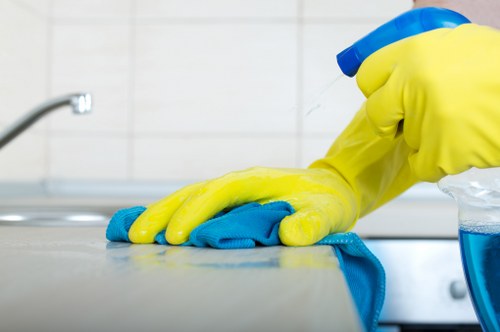
Not every office is the same, and that means office cleaning needs can vary significantly from one workplace to another. A law firm may need immaculate reception areas and spotless meeting rooms, while a creative agency may require flexible cleaning around collaborative spaces and casual lounge areas. Understanding the type of workplace helps shape the most effective cleaning approach.
In corporate headquarters, office cleaning often focuses on large lobbies, conference rooms, executive suites, open-plan desks, and shared restrooms. These spaces receive constant use and need regular attention to preserve a polished image. In smaller offices, the focus may be on compact spaces, daily tidiness, and careful management of waste and shared surfaces.
Co-working spaces present a unique challenge because many different people use the same environment throughout the day. Office cleaning in these settings must be frequent and flexible, with special attention paid to shared desks, kitchens, restrooms, and communal meeting areas. The same is true for clinics, educational offices, and customer-facing administrative spaces.
Common workplace categories
- Corporate offices
- Small businesses and startups
- Co-working spaces
- Medical administrative offices
- Educational and nonprofit offices
- Retail back offices and management suites
Tailoring the cleaning schedule
A tailored schedule allows businesses to keep important areas clean without interrupting the workday. Some spaces need daily servicing, while others benefit from a mix of daytime tidying and after-hours deep cleaning. The best office cleaning plans balance convenience, hygiene, and cost efficiency.
Choosing the Right Office Cleaning Plan

Selecting the right office cleaning plan starts with understanding your workplace needs. The ideal approach depends on the size of the office, the number of employees, the type of work being done, and how much traffic the space receives. A tailored plan ensures that essential tasks are completed without wasting time or resources.
Businesses often choose between daily, weekly, or mixed-frequency cleaning. Daily services are useful for busy workplaces with frequent visitors, shared kitchens, and restrooms in constant use. Weekly cleaning may be enough for smaller offices with fewer staff members, especially when employees maintain basic desk hygiene themselves. Many organizations choose a combination of scheduled cleaning and ad hoc deep cleaning to cover all needs efficiently.
When selecting an office cleaning provider, it is important to consider reliability, training, flexibility, and attention to detail. A good cleaning team should understand how to work around office equipment, secure confidential areas, and maintain a professional presence. The goal is not just cleanliness, but a service that supports the business without disruption.
Questions to ask before booking office cleaning
- What tasks are included in the standard service?
- Can the cleaning plan be customized?
- How are high-touch and shared areas handled?
- Is after-hours or weekend cleaning available?
- Are environmentally friendly products used?
- How is quality monitored over time?
Why flexibility matters
Office cleaning in active workplaces should adapt to schedules, security requirements, and changing occupancy levels. Flexible services make it easier to maintain standards without interrupting meetings, client visits, or daily operations. For businesses that value convenience, flexible scheduling can make a major difference in long-term satisfaction.
Practical tip
Always match the service level to the real condition of the office, not just the ideal one. This helps avoid under-cleaning busy spaces or overpaying for unnecessary tasks.
Deep Cleaning vs Routine Office Cleaning
Routine office cleaning and deep cleaning serve different purposes, and both are valuable. Routine cleaning handles the everyday tasks that keep the office neat and sanitary. Deep cleaning goes further, targeting hidden buildup, neglected corners, and areas that do not need daily attention but still require periodic care.
Routine office cleaning generally includes wiping down surfaces, emptying waste bins, vacuuming floors, and cleaning restrooms. Deep cleaning may involve carpet shampooing, upholstery cleaning, window washing, detailed kitchen sanitation, and polishing hard floors. It can also include descaling fixtures, disinfecting difficult-to-reach spaces, and refreshing high-use areas.
Businesses often schedule deep cleaning seasonally or during quieter periods. This approach helps preserve the appearance of the office and supports long-term maintenance. For organizations looking to protect their investment in furniture and flooring, a blend of regular cleaning and periodic deep cleaning is often the most effective choice.
When deep cleaning is especially useful
- After renovations or office moves
- During seasonal hygiene resets
- Before or after major events
- When carpets, fabrics, or floors need restoration
- After periods of heavy occupancy
Office cleaning works best as a layered process. Routine upkeep maintains order, while deep cleaning resolves the buildup that standard cleaning cannot address on its own.
Eco-Friendly Office Cleaning and Modern Workplace Expectations
Many businesses are now looking for greener ways to maintain their offices. Eco-friendly office cleaning uses products, methods, and equipment that reduce environmental impact while still delivering strong results. This may include biodegradable detergents, reduced water usage, microfiber tools, and waste-conscious cleaning practices.
Green cleaning is attractive for several reasons. It can support sustainability goals, improve indoor air quality, and create a healthier environment for employees who may be sensitive to harsh chemicals. In many cases, eco-friendly methods also align with broader corporate responsibility efforts, which can strengthen a company’s public image.
Modern office cleaning providers often offer environmentally conscious options as part of their regular service. This can include safer disinfectants, refillable supply systems, and techniques that reduce unnecessary waste. For organizations that want to combine cleanliness with responsibility, green office cleaning is a smart direction.
Benefits of greener cleaning practices
- Reduced chemical exposure for staff and visitors
- Better support for sustainability initiatives
- Lower environmental footprint
- Improved comfort in enclosed office spaces
- Positive alignment with corporate values
Eco-friendly office cleaning is not about sacrificing quality; it is about cleaning intelligently and responsibly.
How Office Cleaning Improves Workplace Culture
Workplace culture is shaped by many factors, and cleanliness is one of the most overlooked. When employees enter a tidy, organized office, it sends a message that the business cares about their comfort and well-being. This helps build trust and creates a more positive everyday experience.
A clean environment can also encourage better habits. People are more likely to keep desks organized, clean up after themselves, and respect shared areas when the office as a whole feels well maintained. In this way, office cleaning can influence behavior and promote a sense of collective responsibility.
For managers, maintaining a clean office is a practical way to show attention to detail without needing constant oversight. It improves employee experience, supports professional standards, and helps create a workplace where people can feel proud to work. In competitive industries, that sense of pride can be a meaningful advantage.
Culture benefits that matter
- Stronger sense of professionalism
- Greater respect for shared environments
- More comfortable break and meeting spaces
- Improved team morale
- Better alignment with company values
Office cleaning as a silent support system
Although it may not always be visible, office cleaning quietly supports the daily rhythm of business. It removes friction, preserves order, and allows employees to focus on their work instead of the environment around them. That is why many organizations view cleaning as a core operational service rather than a background expense.
Maximizing the Value of Office Cleaning Services
To get the most from office cleaning, businesses should treat it as an ongoing partnership rather than a one-time purchase. Clear expectations, regular reviews, and practical scheduling all contribute to better results. When the cleaning plan matches the realities of the workplace, the office stays cleaner for longer and the service delivers stronger value.
Communication is important. Office managers should identify priority areas, mention seasonal changes, and update cleaning teams on anything that affects access or workflow. For example, a busy client week, office relocation, or layout change may require temporary adjustments. Clear coordination helps maintain quality and avoid overlooked spaces.
It also helps to encourage small daily habits among employees. A professional cleaning service can handle deep sanitation and routine upkeep, but individual responsibility matters too. Encouraging staff to keep personal desks orderly, wipe up spills quickly, and respect shared spaces makes office cleaning more effective overall.
Smart ways to support better cleaning results
- Set clear priorities for high-traffic areas
- Use a regular schedule instead of occasional cleaning
- Encourage desk tidiness among employees
- Review service quality periodically
- Adapt the plan as the office grows or changes
Final practical note
When a workplace invests in consistent office cleaning in the right way, the benefits extend far beyond appearance. The office becomes healthier, more efficient, and more welcoming for everyone who enters it.
Final Thoughts on Office Cleaning
Office cleaning is one of the most effective ways to improve the everyday experience of a workplace. It protects health, supports productivity, strengthens brand image, and contributes to a more positive culture. From routine cleaning to specialized deep cleaning, every service plays a role in keeping the office functional and appealing.
Whether your business is small or large, traditional or modern, the right cleaning strategy can make a noticeable difference. By investing in regular upkeep, tailoring the service to your workspace, and prioritizing hygiene, you create an environment where people can do their best work. That is the real value of professional office cleaning.
If your workplace is ready for a better standard of cleanliness, contact us today to improve your office environment and support a more productive team. Book your service now and take the next step toward a cleaner, healthier workplace.