Sofa Cleaning: A Practical Approach to Fresher, Healthier Upholstery
If you want your living room to feel cleaner, brighter, and more inviting, sofa cleaning should be one of your top priorities. Sofas are used every day, often by multiple people, and they naturally collect dust, crumbs, pet hair, body oils, spills, and odors. Over time, even a high-quality couch can start to look dull and smell less than fresh. Regular sofa cleaning helps restore appearance, improve indoor hygiene, and extend the life of your upholstery.
Whether you have a fabric sectional, a leather loveseat, or a delicate designer couch, the right cleaning approach matters. Different materials require different products, tools, and techniques. In this article, we’ll explore the essentials of sofa cleaning, including deep-cleaning methods, stain removal strategies, maintenance tips, and the benefits of professional upholstery care.
With the right process, sofa cleaning can be simple, effective, and budget-friendly. It’s not just about making furniture look good; it’s also about protecting your household from dust buildup, allergens, and bacteria. Let’s break down what every homeowner should know.
Why Sofa Cleaning Matters More Than Most People Realize

People often vacuum floors and wipe surfaces regularly, but upholstery is easy to overlook. Since sofas are soft furnishings, they trap particles deep within the fabric and cushions. That means sofa cleaning is essential for reducing hidden buildup that can affect comfort and air quality. Dust mites, pollen, pet dander, and everyday dirt can settle into fibers and become difficult to remove without a proper routine.
A clean sofa also improves the overall look of your home. Even if the rest of the room is tidy, a stained or dusty couch can make the space feel neglected. Good upholstery cleaning helps maintain a polished appearance, especially in living rooms, guest spaces, and family areas where people gather most often.
There’s also a practical side to it: regular sofa cleaning can help preserve fabric texture and prevent premature wear. Dirt particles act like tiny abrasives, gradually breaking down fibers. When you clean correctly and consistently, you reduce damage and keep your furniture looking newer for longer.
Key benefits of routine sofa care
- Removes dust, crumbs, and surface debris
- Helps reduce allergens and odor buildup
- Improves the look and feel of your living space
- Extends the lifespan of upholstery and cushions
- Makes occasional deep cleaning easier and more effective
Understanding Your Sofa Fabric Before Cleaning

One of the most important parts of successful sofa cleaning is identifying the upholstery material. Not all fabrics respond well to the same cleaning products or amount of moisture. Using the wrong approach can cause discoloration, shrinkage, water marks, or permanent texture changes. Before you start, check the manufacturer’s care label, usually found under the cushions or along the frame.
Common care codes may include W, S, WS, or X. These indicate whether the fabric can be cleaned with water-based products, solvent-based products, both, or only vacuuming. Paying attention to these instructions is a crucial part of safe upholstery cleaning and prevents avoidable damage.
Different sofa materials also have different strengths. Cotton blends may handle mild shampooing, microfiber often responds well to specialized cleaners, and leather requires conditioning as well as surface cleaning. Understanding the material helps you choose the best sofa cleaning method with confidence.
Common upholstery types and care considerations
- Microfiber: Usually durable, but may require gentle solvents or steam-safe methods
- Cotton: Soft and breathable, but can be prone to staining and water marks
- Linen: Elegant but delicate; careful spot treatment is often best
- Leather: Needs pH-balanced products and conditioning after cleaning
- Velvet: Sensitive to pressure and excess moisture; test products first
Step-by-Step Sofa Cleaning at Home
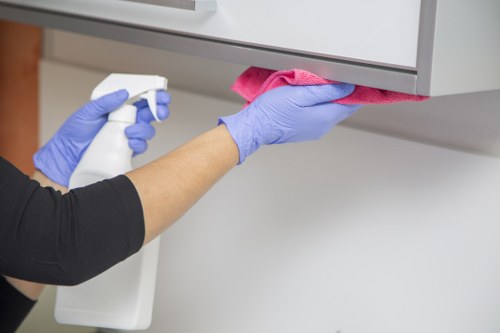
For many households, basic sofa cleaning can be handled at home with the right tools and a steady routine. While deep or stubborn stains may need professional attention, regular upkeep is often enough to keep upholstery fresh between major cleanings. The best results usually come from a combination of vacuuming, spot treatment, and fabric-safe deodorizing.
Start by removing cushions and loose items. Use a vacuum with an upholstery attachment to reach seams, corners, and crevices where dirt tends to settle. This step is especially important for removing crumbs, pet hair, and dust before applying any liquid cleaner. Skipping vacuuming can push debris deeper into the fabric during the cleaning process.
Next, treat visible stains carefully. Always blot rather than rub, since rubbing can spread the stain and damage fibers. Apply a small amount of cleaner to a hidden area first to check for colorfastness. This testing step is one of the smartest habits in sofa cleaning, because it protects the upholstery from unexpected reactions.
Basic home cleaning workflow
- Check the care label and identify the fabric type
- Remove cushions and vacuum thoroughly
- Spot-test your cleaner on an inconspicuous area
- Blot stains gently with a suitable cleaning solution
- Allow the sofa to air-dry completely
For deodorizing, sprinkle a light layer of baking soda on fabric sofas and let it sit for 15 to 30 minutes before vacuuming. This can help absorb odors without harsh chemicals. For leather upholstery, use a cleaner made specifically for leather, followed by a conditioner to maintain softness and prevent cracking.
Stain Removal Tips for Common Sofa Spills

Accidents happen, and quick action makes a big difference. The sooner you address a spill, the easier it is to remove. Effective sofa cleaning often depends on knowing how to handle specific types of stains. Food, drink, ink, grease, and pet-related spots each need a slightly different approach.
For liquid spills such as coffee, tea, or juice, use a clean cloth or paper towel to absorb as much moisture as possible. Work from the outer edge of the stain toward the center to avoid spreading it. If the sofa fabric permits water-based cleaning, use a mild solution and blot lightly. If the fabric is solvent-only, follow the care label instructions closely.
Grease stains often require absorbent powder first. Cornstarch or baking soda may help draw out excess oil before you apply a specialized upholstery cleaner. Ink stains are more delicate and usually benefit from targeted stain removers designed for fabric use. The most important thing is to avoid saturating the upholstery, since too much moisture can leave rings or affect the filling beneath the surface.
Helpful stain-response tips
- Act quickly after a spill occurs
- Blot, don’t scrub
- Use minimal moisture on upholstery
- Always test products in a hidden area first
- Choose cleaners designed for your sofa material
Pet accidents deserve special attention because they can leave both visible marks and lingering odors. Enzymatic cleaners are often preferred for organic stains because they break down residue rather than just masking it. This type of treatment is especially useful in households with dogs or cats, where repeated sofa cleaning may be needed over time.
Deep Sofa Cleaning Methods That Deliver Better Results
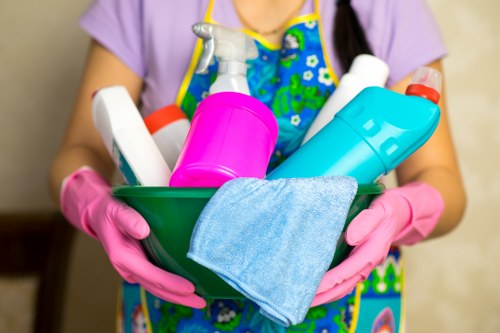
While regular maintenance keeps your couch presentable, deeper sofa cleaning is sometimes necessary to remove embedded dirt and refresh the entire piece. Deep cleaning can involve steam cleaning, shampoo extraction, dry cleaning techniques, or professional hot-water extraction, depending on the upholstery type. Choosing the right method is essential to get strong results without harming the material.
Steam cleaning is popular because it can lift grime from fabric fibers effectively. However, it is not suitable for every sofa. Some fabrics react poorly to heat or moisture, so the care label must always be checked first. If your upholstery is steam-safe, this method can be an efficient way to reduce buildup and improve freshness.
Dry cleaning methods are often better for delicate fabrics such as silk blends, velvet, or certain vintage materials. These techniques use very little water and can reduce the risk of shrinkage or water spotting. For many homeowners, professional upholstery cleaning is the safest option when they are dealing with expensive furniture or heavily soiled cushions.
When deep cleaning is especially useful
- After months of heavy use
- When odors linger despite regular vacuuming
- After pet accidents or food spills
- Before hosting guests or special events
- When the sofa looks dull, flattened, or unevenly dirty
Deep sofa cleaning is also valuable for homes with children, pets, or allergy concerns. By removing embedded debris and grime, you create a more comfortable and healthier environment for everyone in the household. In many cases, one thorough session can dramatically improve the appearance and scent of a room.
Professional Sofa Cleaning vs. DIY Cleaning
There are good reasons to handle some sofa cleaning tasks yourself, but there are also situations where professional service is the better choice. DIY care is ideal for routine maintenance, light stains, and surface refreshment. It saves money and lets you respond quickly to spills. Professional sofa cleaning, on the other hand, is often better for deep-seated dirt, delicate fabrics, odor removal, and large or heavily used furniture.
Professional cleaners typically have stronger extraction equipment, specialized chemicals, and the training to handle different fabric types safely. They can assess the upholstery, identify the best method, and work more efficiently than most household tools. This is particularly useful when a sofa has multiple stains, persistent odors, or a material that needs careful treatment.
If your sofa has expensive upholstery, antique detailing, or manufacturer restrictions, hiring a specialist can save time and reduce risk. Professional upholstery cleaning may also be the best option after flooding, pet damage, or repeated spills that have penetrated deep into the cushions. In these cases, sofa cleaning becomes more than a cosmetic task—it becomes a protective service for your furniture investment.
DIY cleaning is best for
- Routine dust and debris removal
- Light surface stains
- Regular deodorizing
- Quick spill response
Professional cleaning is best for
- Stubborn stains or odors
- Delicate, high-value, or specialty fabrics
- Allergy-prone households
- Periodic deep sanitation
If your sofa needs more than a basic refresh, book your service now and let trained technicians handle the hard work safely and efficiently.
How Often Should You Clean a Sofa?
The ideal sofa cleaning schedule depends on usage, household size, pets, and fabric type. A lightly used formal sitting room sofa may need less attention than a family-room couch used daily by kids and animals. As a rule, regular vacuuming should be done weekly, while deeper cleaning can be done every few months or at least once or twice per year.
Homes with pets or allergy sensitivities may need more frequent attention. Pet hair, dander, and outdoor dust can accumulate quickly, making upholstery a major source of indoor allergens. In such cases, sofa cleaning every few months can make a noticeable difference in comfort and air freshness.
Frequency also depends on visible signs. If your sofa starts to look dull, feel sticky, or smell stale, it likely needs attention sooner. Waiting too long can allow oils and dirt to settle deeply into the fabric, making the cleaning process more difficult and less effective.
Simple cleaning schedule example
- Weekly: Vacuum cushions, seams, and under-seat areas
- Monthly: Rotate cushions and spot clean minor marks
- Every 3-6 months: Perform a more detailed upholstery cleaning
- Once or twice a year: Consider professional deep sofa cleaning
Eco-Friendly Sofa Cleaning Options
More homeowners are looking for greener ways to care for furniture, and sofa cleaning can absolutely fit into an eco-conscious routine. Natural or low-impact products may work well for light maintenance, especially when you want to reduce chemical exposure in the home. Common options include baking soda for odor absorption, mild castile soap for gentle spot cleaning, and microfiber cloths for efficient dust removal.
That said, eco-friendly does not always mean one-size-fits-all. Some natural products can still affect delicate fabrics if used incorrectly. The best approach is to use simple ingredients in moderation, follow the fabric care instructions, and avoid oversaturating the upholstery. When you need a stronger solution, look for low-VOC or biodegradable upholstery cleaners designed for household furniture.
Energy-efficient practices also matter. Air-drying sofa cushions in a ventilated space reduces the need for heavy machine drying and helps preserve fabric structure. Small choices like these can make sofa cleaning safer for your home environment and more sustainable over time.
Eco-conscious cleaning habits
- Use minimal product and water
- Choose biodegradable cleaners when possible
- Ventilate the room during and after cleaning
- Use reusable microfiber cloths
- Clean regularly to reduce the need for harsh treatments
Common Mistakes to Avoid During Sofa Cleaning
Even well-intentioned cleaning can go wrong if the process is rushed. One of the biggest mistakes in sofa cleaning is using too much water. Excess moisture can seep into cushions, cause odors, and leave visible rings or water marks. Another common issue is using the wrong product for the upholstery type, which can result in fading or texture damage.
Many people also scrub stains aggressively. While this may seem like the fastest way to remove a mark, it often pushes the stain deeper and frays the fibers. Gentle blotting is almost always the safer method. It’s also important not to ignore hidden areas like seams, undersides, and cushion creases. Dirt often collects in places that are not immediately visible.
Another mistake is waiting too long between cleanings. Dirt becomes harder to remove when it has had time to settle and bind to the material. A consistent upholstery care routine is the easiest way to maintain a fresh appearance and avoid bigger cleaning problems later.
Things to avoid
- Soaking the fabric with too much liquid
- Skipping spot tests before applying cleaners
- Using harsh chemicals on delicate upholstery
- Rubbing stains instead of blotting them
- Neglecting regular vacuuming and maintenance
Keeping Your Sofa Cleaner for Longer
Good maintenance can significantly reduce how often major sofa cleaning is needed. Small habits make a big difference. For example, vacuuming weekly prevents dust and crumbs from settling deep into the fabric. Using throws or washable covers in high-traffic homes can also protect the upholstery from spills and everyday wear.
It’s smart to rotate cushions regularly so the wear is distributed more evenly. This helps keep the sofa looking balanced and prevents certain spots from flattening faster than others. If your sofa is near a window, consider UV protection such as blinds or curtains, since sunlight can fade fabric over time. Preventive care is just as important as cleaning itself.
Encouraging household rules can also help. Avoid eating messy foods on the couch, keep pets groomed, and clean up spills right away. These small steps reduce buildup and make sofa cleaning easier in the long run. The less dirt that enters the fabric, the less intense your future cleaning sessions need to be.
When maintained properly, your sofa can stay attractive, comfortable, and welcoming for years. That’s why a consistent upholstery care routine is worth the effort: it protects both your furniture and the feeling of your home.
Final Thoughts on Sofa Cleaning
Sofa cleaning is one of the most practical ways to keep your home looking and feeling fresh. It improves comfort, helps reduce allergens, removes stains and odors, and supports the long-term condition of your furniture. Whether you handle the cleaning yourself or rely on professional upholstery services, regular attention makes a clear difference.
The best results come from understanding your fabric, responding quickly to spills, and following a simple maintenance routine. From vacuuming and spot treatment to deep cleaning and odor control, each step plays a role in preserving the beauty and function of your sofa. If your couch is overdue for a refresh, now is the perfect time to act.
Contact us today if you want your sofa to look cleaner, smell fresher, and feel more inviting. Book your service now and give your upholstery the care it deserves.