Regular Cleaning in Homes, Offices, and Shared Spaces: Why It Matters and How to Do It Right
Regular cleaning is one of the simplest ways to keep any space healthier, more comfortable, and more appealing. Whether you manage a busy home, a small office, or a large commercial property, regular cleaning helps reduce dust, control germs, protect surfaces, and create a better environment for everyone who uses the space. It is not just about appearance; it is about hygiene, maintenance, and long-term value.
Many people think cleaning only matters when a room looks messy, but that approach often leads to deeper buildup and more time-consuming work later. A consistent cleaning routine makes daily life easier, improves indoor air quality, and supports better organization. In busy environments, regular cleaning can even influence productivity, morale, and customer impressions.
In this article, we will explore why regular cleaning is so important, what it includes, how often it should be done, and which methods deliver the best results. You will also find practical tips for homes, offices, and shared areas, along with ways to build a cleaning schedule that works.
Why Regular Cleaning Is Essential for Every Space
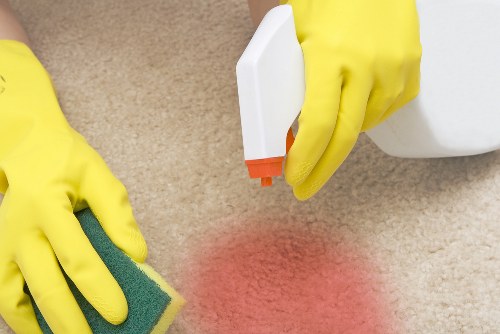
Regular cleaning supports both short-term comfort and long-term protection. Dust, dirt, grease, and debris may seem harmless at first, but over time they can damage surfaces, attract pests, and contribute to unpleasant odors. A clean environment also feels more welcoming, which matters in both private and professional settings.
From a health perspective, regular cleaning helps reduce the spread of bacteria and viruses. High-touch surfaces such as door handles, light switches, keyboards, and countertops can collect germs quickly. By cleaning these areas routinely, you lower the risk of contamination and help protect the people who live or work there.
There is also a maintenance benefit. Floors, fabrics, fixtures, and appliances last longer when they are cleaned properly and frequently. That means regular cleaning can save money by reducing the need for repairs, replacements, and deep restorative work.
How Regular Cleaning Improves Health and Well-Being

One of the strongest reasons to prioritize regular cleaning is its impact on health. Dust buildup can aggravate allergies, while mold and mildew can create respiratory problems in damp areas. Kitchens and bathrooms are especially important because they collect moisture, residue, and germs more quickly than other rooms.
For people with asthma or seasonal allergies, regular cleaning can make a noticeable difference in day-to-day comfort. Vacuuming carpets, wiping surfaces, laundering linens, and controlling humidity all help reduce triggers that can make indoor spaces feel uncomfortable.
Cleaner spaces can also support mental well-being. Many people find that a tidy home or office feels calmer and less stressful. Regular cleaning reduces visual clutter, makes it easier to focus, and creates a sense of control over the environment.
What Regular Cleaning Typically Includes
Regular cleaning is more than quickly tidying up. It usually involves a repeatable set of tasks that remove everyday dirt and maintain a sanitary environment. While the exact list depends on the space, common duties include:
- Dusting shelves, furniture, and electronics
- Vacuuming carpets and rugs
- Sweeping and mopping hard floors
- Wiping countertops and tables
- Cleaning sinks, toilets, and bathroom fixtures
- Emptying trash bins and replacing liners
- Sanitizing high-touch surfaces
- Cleaning mirrors and glass surfaces
- Organizing cluttered areas
- Refreshing fabrics, cushions, and upholstery when needed
These tasks may seem basic, but together they form the foundation of a healthy and presentable environment. A good regular cleaning routine focuses on prevention, consistency, and attention to detail.
It is also helpful to separate routine cleaning from deep cleaning. Routine work happens more frequently and keeps the space in good shape, while deep cleaning addresses built-up grime, hidden dust, and less visible problem areas.
Regular Cleaning in Homes: Building a Comfortable Living Space
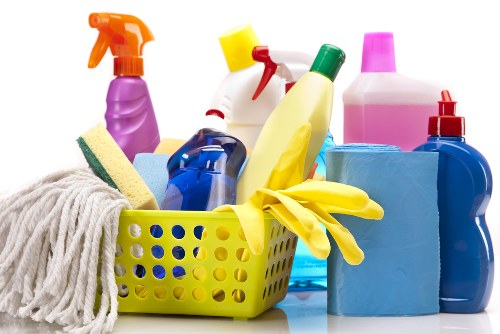
In a home, regular cleaning helps the household function smoothly. It keeps kitchens safe for food preparation, bathrooms sanitary, living rooms inviting, and bedrooms restful. Families with children or pets often benefit even more from a structured routine because dirt, crumbs, fur, and spills can accumulate quickly.
A practical home cleaning routine usually includes daily, weekly, and monthly tasks. Daily tasks might involve washing dishes, wiping counters, and putting items back in place. Weekly tasks often cover vacuuming, mopping, changing bedding, and cleaning bathrooms. Monthly tasks may include washing windows, wiping baseboards, or cleaning behind appliances.
Regular cleaning in the home is easiest when everyone participates. Sharing tasks among household members creates accountability and prevents one person from carrying the full burden. It also teaches children the value of keeping their surroundings neat and hygienic.
Helpful Home Cleaning Priorities
Not every room needs the same level of attention every day. Focus first on the areas that influence health and cleanliness the most.
- Kitchen surfaces - Remove food residue, crumbs, and spills promptly.
- Bathroom fixtures - Clean sinks, toilets, tubs, and mirrors regularly.
- Floors - Vacuum and mop areas that collect dirt most quickly.
- Bedrooms - Change linens and reduce dust around beds and furniture.
- Entryways - Stop outdoor dirt from spreading through the home.
These areas usually offer the biggest return on effort. When handled consistently, regular cleaning becomes less stressful and more manageable.
For busy households, a simple checklist can help keep routines on track. Many people find that short, frequent cleaning sessions work better than waiting for a large weekend cleanup.
Regular Cleaning in Offices: Supporting Productivity and Professionalism
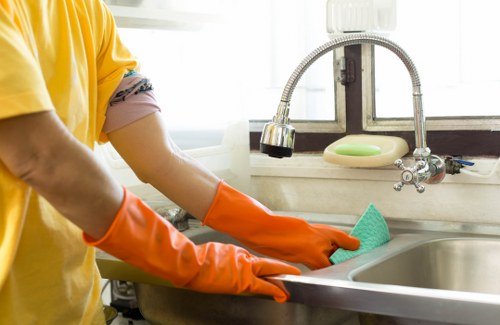
In office settings, regular cleaning has a direct effect on how people work and how clients perceive the business. A clean office looks organized, feels more professional, and helps employees stay focused. Dirty desks, overflowing trash, and dusty surfaces can create distractions and reduce overall satisfaction.
Office cleaning often includes sanitizing desks, conference tables, break rooms, restrooms, and shared equipment. Keyboards, phones, shared printers, and door handles should receive special attention because they are touched frequently throughout the day. Regular cleaning in offices also helps minimize the spread of illness, which can reduce absenteeism.
A well-maintained office environment reflects care and attention to detail. When employees walk into a clean space, it can improve morale and set the tone for productive work. For visitors, a spotless office creates a positive first impression and reinforces trust.
Office Areas That Need Consistent Attention
Some office zones require more frequent cleaning than others because they see higher traffic and more shared use.
- Reception areas - The first point of contact should look tidy and welcoming.
- Meeting rooms - Tables, chairs, remotes, and surfaces should be cleaned regularly.
- Break rooms - Food crumbs, spills, and appliance surfaces need frequent care.
- Restrooms - These require consistent sanitation and restocking.
- Workstations - Dust and germs can build up fast on shared equipment.
Building a cleaning schedule around these spaces keeps the office environment balanced. With regular cleaning, businesses can maintain both cleanliness and efficiency.
In larger workplaces, assigning zone-based responsibilities or using a professional cleaning service may be the best way to ensure nothing gets overlooked.
Shared Spaces and High-Traffic Areas Need Extra Care
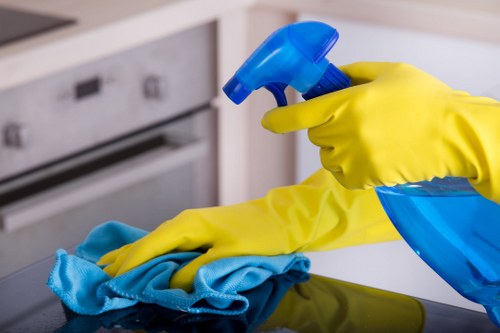
Shared spaces such as apartment hallways, lobbies, gyms, classrooms, and community rooms experience more wear and more frequent contact. These spaces usually need more than occasional attention because dirt and germs spread quickly where many people pass through.
In these environments, regular cleaning helps maintain safety and comfort for everyone. Floors may need sweeping several times a day in high-traffic areas, while touchpoints such as railings, buttons, and handles should be disinfected regularly. Trash removal, odor control, and restroom maintenance are also important.
Because shared spaces reflect on the entire property or organization, consistent upkeep matters a great deal. A dirty lobby or neglected hallway can make the whole building feel poorly managed, even if the private areas are well maintained.
Regular Cleaning Versus Deep Cleaning
It is important to understand the difference between routine maintenance and deep cleaning. Regular cleaning refers to the ongoing tasks that keep a space tidy and sanitary. Deep cleaning goes further by removing buildup from corners, vents, behind furniture, grout lines, and other hard-to-reach areas.
Routine cleaning is usually faster and happens more often. Deep cleaning is more detailed and less frequent. Both are necessary, but they serve different purposes. If regular cleaning is neglected, deep cleaning becomes harder, more expensive, and more time-consuming.
A balanced plan uses both approaches. For example, a kitchen may need daily wipe-downs and weekly floor care, but also a monthly deep clean of the oven, refrigerator, and hidden surfaces. This combination keeps the area hygienic and prevents long-term issues.
Signs Your Space Needs More Regular Cleaning
Even with a basic routine, some signs show when cleaning is not happening often enough. Watch for the following:
- Visible dust on furniture or vents
- Sticky surfaces in kitchens or break rooms
- Bad odors from trash, drains, or fabrics
- Streaked mirrors or cloudy glass
- Increased allergy symptoms indoors
- Clutter that keeps growing from day to day
- Restrooms that no longer feel fresh or sanitary
If these problems appear often, the cleaning schedule may need to be adjusted. Adding a few extra tasks each week can make a significant difference. In many cases, regular cleaning is less about doing everything at once and more about doing the right tasks consistently.
Small, repeated efforts usually produce better results than infrequent large cleanups.
How to Create an Effective Regular Cleaning Routine
A smart routine is realistic, structured, and easy to maintain. Start by listing the tasks that matter most in your space. Then divide them into daily, weekly, and monthly categories. This approach keeps the workload manageable and prevents important chores from being forgotten.
When building your plan, think about traffic, usage, and risk. High-use rooms need more frequent attention than low-use areas. Kitchens and bathrooms usually deserve priority, followed by entryways, desks, and common spaces. Regular cleaning works best when you match the schedule to the actual needs of the environment.
It also helps to use the right tools. Microfiber cloths, vacuum cleaners with strong filters, gentle disinfectants, mop systems, and storage caddies can improve efficiency. Good tools make cleaning faster, easier, and more thorough.
Sample Weekly Cleaning Structure
A weekly structure can simplify the process and reduce decision fatigue. Here is one practical example:
- Monday: Dust surfaces and clean entry areas
- Tuesday: Sanitize bathrooms and restock supplies
- Wednesday: Vacuum carpets and mop hard floors
- Thursday: Clean kitchens or break rooms thoroughly
- Friday: Wipe shared equipment and high-touch areas
- Weekend: Tidy clutter and handle light maintenance
This is only one example, and every home or office can adapt it differently. The best schedule is the one people can follow consistently. If needed, rotate tasks so that the workload stays fair and realistic.
Consistency is more effective than intensity. A moderate routine followed every week will usually outperform occasional bursts of effort.
Benefits of Regular Cleaning for Property Value
Clean spaces tend to age better. Floors stay in better shape, fixtures remain presentable, and surfaces show less wear when they are cleaned on schedule. For homeowners, this can help preserve property value and make future maintenance easier. For businesses, it supports brand image and customer confidence.
Regular cleaning also helps spot small problems before they become bigger ones. During a routine wipe-down or inspection, you might notice leaks, stains, cracks, loose fixtures, or unusual odors. Catching these issues early can save time and money.
From a resale or leasing perspective, a clean property is far more appealing. Potential buyers, tenants, or clients often judge the space within seconds. A neat environment suggests that the property has been cared for properly.
Common Mistakes to Avoid
Even people who clean regularly can make mistakes that reduce effectiveness. Avoid these common issues:
- Skipping high-touch surfaces
- Using the wrong cleaner for a material
- Waiting too long between cleanings
- Cleaning only visible areas
- Not replacing tools like sponges or mop heads
- Ignoring ventilation and air quality
Another common issue is rushing through the process. If a task is done too quickly, surfaces may not be truly clean. Proper regular cleaning means paying attention to detail and allowing enough time for each step.
Quality matters as much as frequency. A careful routine creates better results than a fast one that misses key areas.
When to Consider Professional Regular Cleaning
Sometimes a space needs more support than internal cleaning routines can provide. Professional cleaning services can help with recurring maintenance, specialized sanitation, and large-area cleaning. This is especially useful for offices, rental properties, retail locations, and busy households.
Professionals often bring stronger tools, better products, and trained methods that improve efficiency. They can focus on detailed tasks that are hard to manage alone, such as carpet care, restroom sanitation, floor polishing, and high-level dusting. Regular cleaning performed by a professional team can help maintain a consistently polished look.
Hiring outside help does not replace daily responsibility, but it can complement it. A combination of in-house upkeep and scheduled professional service often gives the best results.
How to Know If Outside Help Is Worth It
Consider professional support if any of these apply:
- The space is too large for your current team to handle well.
- Cleaning tasks are being skipped due to time pressure.
- Sanitation standards need to be higher.
- The property hosts frequent guests, clients, or employees.
- There are repeated issues with dust, odors, or buildup.
When these challenges appear, investing in regular cleaning support can reduce stress and improve overall results. It can also free up time for more important work and daily responsibilities.
Book your service now if keeping up with cleaning has become overwhelming or inconsistent.
Practical Tips for Better Results Every Time
To make regular cleaning more effective, focus on habits that save time and improve consistency. Keep supplies organized in one place, use checklists, and clean from top to bottom so that dust and debris fall onto uncleaned areas rather than finished ones. This simple method can make the process more efficient.
Another useful tip is to clean as you go. Wipe spills immediately, put items away after use, and handle small messes before they grow. This approach reduces the need for heavy cleaning sessions later. In both homes and offices, small habits support strong results.
Finally, review your routine every few weeks. If certain tasks are taking too long or not working well, adjust the schedule or try different tools. Regular cleaning should make life easier, not harder.
Conclusion: Make Regular Cleaning a Lasting Habit
Regular cleaning is one of the most valuable habits for maintaining healthy, attractive, and functional spaces. It supports hygiene, protects property, improves comfort, and makes daily routines more manageable. Whether you are caring for a home, office, or shared building, consistency is the key to lasting results.
When cleaning becomes part of the normal routine, the entire environment feels better. There is less stress, less buildup, and less risk of bigger problems later. A clean space is not only easier to live or work in, but also more welcoming to everyone who enters it.
If you are ready to improve your environment, start with a realistic plan and stay consistent. Contact us today to learn more about maintenance options or book your service now to keep your space looking its best through reliable regular cleaning.