Oven Cleaning in Homes and Businesses: A Practical Approach to a Fresher Kitchen
Why Oven Cleaning Matters More Than You Think
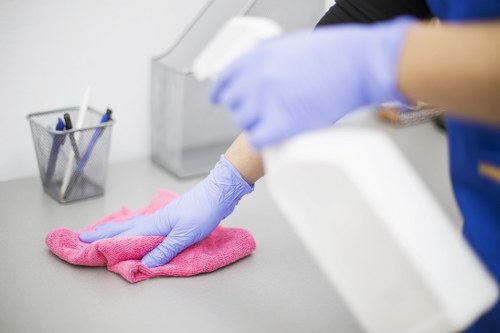
Oven cleaning is one of those household tasks that is easy to postpone, yet it has a major impact on how your kitchen looks, smells, and performs. A dirty oven can affect cooking results, create smoke, and leave burnt residue on your food. Whether you are a homeowner, landlord, tenant, or business owner, keeping up with oven cleaning supports hygiene, efficiency, and appliance longevity.
Many people only think about oven cleaning after a heavy spill or when they notice smoke every time they roast or bake. By that point, grease, carbon buildup, and baked-on food may already have made the job much harder. Regular oven cleaning helps prevent this buildup and makes the kitchen a more pleasant place to cook.
In busy households, oven cleaning often gets overlooked because there are always more visible tasks to handle. However, oven cleaning in regular cleaning routines can reduce odors, improve heat distribution, and even help your appliance run more efficiently. If you want better results from your cooking, this is one task worth prioritizing.
Understanding the Main Reasons Ovens Get Dirty
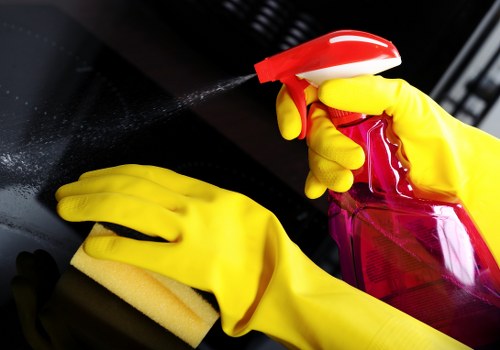
Every oven collects grime in different ways, but the main culprits are usually grease splatters, food spills, and crumbs that fall during cooking. When these materials are exposed to high temperatures over time, they harden and become much harder to remove. That is why oven cleaning often becomes more difficult the longer it is delayed.
Self-cleaning ovens can help, but they are not a magic solution. Even those models often need manual attention around the door, racks, seals, and corners. In many cases, people assume the appliance cleans itself completely, only to discover stubborn residue that still needs proper oven cleaning afterward.
Another reason ovens get dirty so quickly is frequent use of roasting trays, baking dishes, and uncovered pans. Each cooking session can leave behind a layer of grease or smoke particles. Over weeks and months, this creates a film that can make even a modern oven appear neglected. Routine maintenance is always easier than deep restoration.
Signs It Is Time for Oven Cleaning

There are several clear signs that your appliance needs attention. The most obvious is visible buildup on the oven walls, racks, or glass door. Another sign is a persistent burnt smell when the oven heats up. If your meals are cooking unevenly, poor heat circulation caused by grime may be part of the problem.
You may also notice smoke escaping from the oven during use, even when you are not cooking particularly messy dishes. This can happen when old grease burns at high temperatures. In some homes, oven cleaning is postponed until this point, but early action can prevent a much more difficult situation later.
Other indicators include sticky knobs, darkened racks, and residue around the door seal. If the oven light makes the inside look yellow or cloudy instead of clean, that is another strong clue. Regular oven cleaning in your maintenance routine keeps these issues from building up unnoticed.
Benefits of Regular Oven Cleaning
Better cooking performance
A clean oven heats more evenly and performs more predictably. When grease and grime coat the interior, they can interfere with heat circulation and cause hot spots. That means your baking tray may cook unevenly, your cakes may brown too quickly, and your roasts may not finish as expected. Oven cleaning helps restore consistent performance.
Cleaner ovens also make it easier to judge cooking progress because you can actually see what is happening inside. If the glass door is clear and the interior is free from carbonized buildup, you are less likely to open the door unnecessarily or overcompensate with cooking times. That can improve results and reduce wasted energy.
For people who cook often, this benefit alone can make oven cleaning worthwhile. The more regular the maintenance, the easier it becomes to trust your appliance when preparing everyday meals or special recipes.
Improved kitchen hygiene and appearance

A clean oven contributes to a cleaner kitchen overall. Grease buildup inside the appliance can release unpleasant odors, and splattered residue can make the entire cooking area feel untidy. Even if your countertops and floors are spotless, a dirty oven can undermine the impression of cleanliness.
For landlords, rental property managers, and hospitality businesses, oven cleaning can support a better presentation for occupants and guests. In homes, it can simply make the kitchen feel more inviting. Since the oven is often a central appliance, keeping it clean sends the message that the whole space is well cared for.
This is especially important before holidays, dinner parties, or family gatherings. A thorough oven cleaning can help you feel more confident about cooking and serving food in a fresh, hygienic environment.
Longer appliance lifespan
Appliances that are cared for properly tend to last longer, and ovens are no exception. Grease and debris can affect components over time if they are left to accumulate. Hinges, seals, fans, and heating elements can all be impacted by persistent dirt. Regular oven cleaning reduces wear and helps keep the appliance working as intended.
Replacing an oven can be expensive, especially if you need a model with specific features or built-in installation. By investing time or hiring professional oven cleaning services, you may avoid premature breakdowns and unnecessary repair costs. Prevention is usually far less expensive than replacement.
That is why oven cleaning in a regular home maintenance schedule is a smart decision, not just a cosmetic one. Clean appliances are often more dependable, more efficient, and easier to maintain in the long term.
Common Oven Cleaning Methods
Manual oven cleaning

Manual oven cleaning usually involves a suitable cleaning solution, a sponge or microfiber cloth, and patience. The process often starts by removing racks and loose debris. After that, a cleaning paste or spray is applied to the interior surfaces, allowing it to break down stubborn grease. This method gives you direct control and is often preferred for targeted results.
Manual cleaning is effective for most ovens, especially when done regularly. However, it can be time-consuming if buildup is heavy. In those cases, a deeper approach may be required, particularly if baked-on residue has been there for months. The key to successful oven cleaning is letting the product sit long enough to loosen grime without damaging the finish.
Some people choose natural solutions such as baking soda and vinegar, while others prefer commercial degreasers. Both can be useful depending on the type of residue and how sensitive the oven surfaces are. Always check the manufacturer’s recommendations before using any product.
Self-cleaning function
Many modern ovens offer a self-cleaning mode that uses high heat to burn off leftover food and grease. This can be helpful for reducing grime inside the cavity, but it is not ideal for every situation. The process can produce strong odors, and the oven usually needs to cool for several hours before it can be wiped down.
Although self-cleaning can reduce the amount of manual effort required, it rarely removes all residue from edges, racks, and glass. That means it should be viewed as part of a broader oven cleaning strategy, not a complete replacement for hands-on maintenance. For some households, using the function once in a while and doing lighter cleaning between cycles works well.
Always follow the manufacturer’s instructions if you use the self-cleaning setting. Safety matters, and not every oven is designed to handle the same heat levels. Checking first can prevent damage and ensure the process goes smoothly.
Professional oven cleaning
Professional oven cleaning is a popular choice for people who want excellent results without spending hours scrubbing. Trained cleaners often use specialist products and techniques to tackle heavy grease, carbon deposits, and stubborn stains. This can be especially valuable for very dirty ovens or for households that use the appliance frequently.
Another advantage of professional oven cleaning is convenience. Instead of spending your evening scrubbing racks and glass, you can leave the work to someone experienced. This is particularly appealing for busy families, elderly homeowners, and property managers who need the appliance cleaned quickly and thoroughly.
Professional services can also help with other components such as extractor fans, hob areas, and oven doors. If you want a fresh, polished finish and less hassle, this option is worth considering. Book your service now if your appliance needs a deep reset.
Step-by-Step Oven Cleaning Routine
Preparation first
Before starting oven cleaning, make sure the appliance is switched off and completely cool. Remove racks, trays, and any loose accessories. Lay down old towels or newspaper nearby if you want to protect your floor or counters from drips. Good preparation makes the process faster and less messy.
It is also helpful to open windows for ventilation, especially if you are using a commercial cleaner. Gloves are a smart idea to protect your hands. Taking a few minutes to prepare properly can make oven cleaning safer and more efficient.
If the oven is badly clogged with debris, vacuuming crumbs first can help. This prevents loose particles from turning into a sticky mess once product is applied.
Apply cleaner and allow dwell time
Choose a cleaner that suits your appliance and the level of buildup. Apply it evenly to the interior surfaces, avoiding heating elements and sensitive controls unless the product instructions say it is safe. Dwell time is essential because it gives the cleaner time to break down grease and burnt residue.
For heavy deposits, you may need to leave the product in place for a longer period. Do not rush this step. Many people scrub too early and end up repeating the process. With proper dwell time, oven cleaning becomes much easier and less abrasive.
If you are using a homemade paste, the same principle applies. Let the mixture sit long enough to soften grime before wiping it away.
Scrub, wipe, and finish
Once the cleaner has worked, use a non-scratch pad, cloth, or sponge to loosen the residue. Focus on the corners, the door edges, and the base of the oven, where debris often collects. For tough spots, repeat the application rather than scrubbing aggressively. That helps protect the surface.
After scrubbing, wipe everything down with a clean damp cloth to remove all traces of product. Then dry the interior thoroughly. Racks and trays can be washed separately and returned once they are fully dry. Careful finishing is important because leftover cleaner can affect the smell of future cooking.
Consistent oven cleaning is less about one dramatic deep clean and more about creating a repeatable process that keeps the appliance under control.
Safety Tips for Oven Cleaning
Protect yourself and your appliance
Safety should always come first during oven cleaning. Read product labels carefully and avoid mixing chemicals, especially bleach and ammonia-based cleaners. Use gloves and ensure good airflow if fumes are a concern. If you have a gas oven, take extra care around burners and gas lines.
Never clean while the oven is hot, and avoid soaking electrical parts. If a removable part seems damaged, consult the manufacturer before scrubbing it. A cautious approach protects both you and the appliance.
When in doubt, less aggressive methods are better than damaging the finish. A careful routine is usually all that is needed for effective oven cleaning in most homes.
Maintain the oven after cleaning
After a deep clean, small habits can make a big difference. Use oven-safe trays to catch drips when roasting, wipe spills as soon as the oven cools, and check the door glass regularly. These simple steps reduce how often you need major oven cleaning.
Line trays rather than the oven base itself, unless the manufacturer specifically allows it. Keeping up with minor maintenance prevents grime from becoming a bigger issue. The goal is not perfection every day; it is steady control over buildup.
A few minutes of care after cooking can save hours later.
How Often Should You Clean an Oven?
The right schedule depends on how often you cook and what types of meals you prepare. A family that roasts, bakes, and broils several times a week will need more frequent oven cleaning than someone who uses the appliance only occasionally. Heavy use usually means quicker buildup.
As a general rule, light wipe-downs after messy cooking sessions and deeper oven cleaning every few months can work well for many households. If you notice smoke, strong odors, or visible residue before that point, do not wait. Early action always makes the task easier.
Commercial kitchens and rental properties may require more regular attention due to higher turnover and more intensive usage. In those settings, scheduling oven cleaning proactively can help avoid unpleasant surprises and maintain a professional standard.
Choosing the Right Oven Cleaning Service
If you decide to hire help, look for a service that understands different oven types and cleaning methods. Experience matters, especially when dealing with delicate finishes, self-cleaning models, or heavily soiled interiors. A good provider should use appropriate products and respect appliance manufacturer guidelines.
It is also worth asking about what is included. Some services cover just the interior, while others may clean racks, doors, seals, and adjacent surfaces. Clear expectations help you get better value and avoid misunderstandings. If you want to save time and achieve a detailed result, professional oven cleaning can be an excellent solution.
For many people, hiring help is not about avoiding chores entirely. It is about choosing a more efficient way to handle a task that can be time-consuming and physically demanding. Contact us today if you are ready to refresh your kitchen and make oven maintenance easier.
Final Thoughts on Oven Cleaning
Oven cleaning is one of the simplest ways to improve kitchen hygiene, cooking performance, and appliance lifespan. While it may not be the most exciting task, it delivers noticeable benefits that go beyond appearance. A clean oven smells better, works better, and helps you cook with more confidence.
Whether you handle it yourself or arrange professional help, the important thing is not to let grime build up for too long. Regular maintenance keeps the job manageable and prevents costly problems later. When oven cleaning becomes part of your routine, the whole kitchen feels easier to manage.
So if your appliance is looking tired, smoking more than it should, or leaving stubborn odors behind, now is the right time to act. Book your service now or start your own cleaning routine and enjoy a fresher, more efficient oven.