Communal Area Cleaning: Practical Standards for Cleaner Shared Spaces
Communal area cleaning plays a vital role in keeping shared spaces safe, welcoming, and hygienic for everyone who uses them. Whether it involves apartment blocks, office buildings, residential complexes, student housing, or mixed-use properties, the condition of communal areas shapes first impressions and daily comfort. A well-planned approach to communal area cleaning helps reduce mess, limit the spread of germs, protect property value, and create a better environment for residents, employees, visitors, and tenants.
Many people notice communal spaces only when something goes wrong: dust builds up on surfaces, bins overflow, fingerprints mark glass doors, or hallways start to smell stale. In reality, consistent communal area cleaning prevents these issues before they become obvious. Regular maintenance is not just about appearances; it supports hygiene, safety, and long-term care for high-traffic areas that experience constant use.
From entrance lobbies to stairwells and lift areas, communal area cleaning requires attention to detail and a reliable routine. The most effective cleaning plans combine daily upkeep, periodic deep cleaning, and practical checks that keep shared spaces in good condition. When done correctly, cleaning communal areas improves comfort and reinforces a positive image of the property.
What Communal Area Cleaning Involves
Communal area cleaning refers to the cleaning and maintenance of spaces that are shared by multiple people rather than used by one household or one private office. These areas can be indoors, outdoors, or a combination of both. The exact responsibilities depend on the property type, occupancy level, and expected usage, but the purpose remains the same: keep shared spaces clean, presentable, and hygienic.
Typical communal area cleaning tasks may include vacuuming floors, mopping hard surfaces, wiping handrails, sanitising touchpoints, emptying bins, removing litter, cleaning glass, and checking for safety hazards. In many buildings, this also includes maintaining entrance mats, keeping lifts clean, tidying mail areas, and ensuring that corridors and staircases remain free from obstacles.
To make communal area cleaning effective, the service must be tailored to the property. A quiet residential block may need different attention from a busy office tower or a student accommodation building. The right cleaning schedule depends on foot traffic, season, weather, and the specific surfaces in the building.
Why Communal Area Cleaning Matters
Shared spaces are used by many people every day, which makes them more vulnerable to dirt, bacteria, spills, and wear. Communal area cleaning helps protect the health of residents and visitors by reducing contamination on frequently touched surfaces such as door handles, railings, buttons, and shared seating. In high-traffic environments, this can make a significant difference to overall hygiene.
Another important reason is safety. Wet floors, blocked exits, cluttered hallways, and neglected debris can all create hazards. Reliable communal area cleaning supports safe movement through the property and helps reduce the risk of slips, trips, and falls. Clean, organised communal areas are easier to navigate and more comfortable to use.
The appearance of a building also matters. When shared spaces are bright, tidy, and well-maintained, they create a strong impression of care and professionalism. For landlords, property managers, and building owners, communal area cleaning can help preserve rental appeal and encourage longer-term occupancy. A clean shared environment often reflects positively on the entire property.
Key Areas Included in Communal Area Cleaning
Communal area cleaning should cover every shared zone that people regularly pass through or use. While the exact list may vary, the following areas are commonly included in professional cleaning routines:
- Entrance lobbies and reception areas
- Hallways and corridors
- Staircases and stairwells
- Lifts and lift lobbies
- Shared kitchens and break rooms
- Bin storage and waste collection areas
- Mail rooms and parcel zones
- Shared toilets and washrooms
- Car parks and external walkways
- Communal outdoor seating or garden areas
Each of these locations presents its own cleaning challenges. For example, lift buttons and door handles need frequent sanitising, while stairwells may accumulate dust and litter quickly. Outdoor communal spaces may require sweeping, pressure washing, and seasonal upkeep. Effective communal area cleaning means adjusting methods to suit the surface and level of use.
It is also important to consider hidden or overlooked areas, such as skirting boards, corners, window ledges, and lighting fixtures. These may not be noticed immediately, but they contribute to the overall quality and appearance of the space. Attention to detail is what separates basic cleaning from truly effective communal area maintenance.
Benefits of Professional Communal Area Cleaning
While some minor upkeep can be handled in-house, professional communal area cleaning offers many advantages, especially in larger or busier properties. A trained cleaner understands how to work efficiently, use the right products, and maintain a consistent standard across all shared spaces.
One of the biggest benefits is consistency. A professional cleaning routine ensures that tasks are completed regularly and to the same standard every time. This helps prevent gradual deterioration and avoids the buildup that often occurs when cleaning is done only occasionally. Consistency is one of the most important factors in communal area cleaning.
Professional services can also improve hygiene outcomes. Experienced cleaners know which touchpoints require frequent attention, how to handle different materials safely, and how to manage waste properly. In addition, they may identify maintenance issues early, such as leaks, broken fittings, damaged flooring, or pest concerns. Early detection can save money and prevent more serious problems later.
Additional Advantages for Property Managers and Occupants
Property managers often find that well-maintained communal spaces reduce complaints and support smoother day-to-day operations. When communal area cleaning is handled properly, residents and tenants are less likely to raise concerns about odours, litter, or neglected surfaces. This can improve relationships between management and occupants while supporting a better overall living or working environment.
There is also a financial benefit. Clean and well-cared-for shared areas help preserve flooring, paintwork, fixtures, and furniture. Dirt and grime can cause long-term wear, meaning that regular communal area cleaning may reduce the need for repairs or replacement. Good cleaning is not just an expense; it is part of protecting the asset.
For businesses and landlords alike, presentation matters. Visitors often judge a building within seconds, and communal areas are usually the first part they see. A polished lobby, fresh-smelling hallway, and spotless lift area send a strong message about standards. Clean communal areas can help strengthen trust, credibility, and occupancy appeal.
How to Build an Effective Communal Area Cleaning Schedule
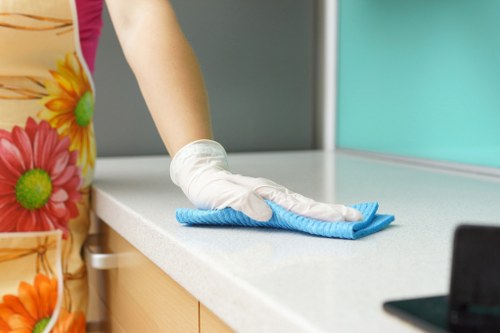
A successful communal area cleaning plan should be based on frequency, traffic, and priority. Not every task needs to be done daily, but high-use areas should be maintained often enough to prevent issues from building up. The best schedules are practical, easy to follow, and adapted to the property’s specific needs.
For example, entrance areas may need daily vacuuming or sweeping because they collect dirt from outside. Touchpoints like handrails and door handles may need sanitising multiple times per day in busy buildings. Bin areas may require frequent emptying to prevent odours and overflow. Planning by zone makes communal area cleaning more efficient and reliable.
A well-structured schedule might include:
- Daily tasks for high-touch and high-traffic areas
- Weekly tasks for deeper surface cleaning and dust removal
- Monthly tasks for detailed cleaning, inspections, and maintenance checks
- Seasonal tasks for weather-related dirt, leaves, salt, or damp issues
Flexibility matters as much as routine. During winter, for instance, communal area cleaning may need to focus more on muddy footprints, wet floors, and salt residue. In summer, the emphasis may shift toward dust, pests, and outdoor upkeep. The key is to adjust the schedule before problems become noticeable.
Common Challenges in Communal Area Cleaning
Communal area cleaning comes with several challenges, especially in properties that are heavily used or occupied by many different people. One of the most common issues is inconsistency caused by irregular use. Some days may be quiet, while others bring a sudden increase in foot traffic, deliveries, visitors, or events. This makes it harder to predict how quickly areas will become dirty.
Another challenge is shared responsibility. In some buildings, residents or occupants assume someone else will handle small messes, which can lead to clutter and neglect. A visible cleaning routine helps reduce this problem by setting expectations and maintaining standards. Clear responsibilities support better communal area cleaning outcomes.
Access can also be difficult. Cleaners may need keys, codes, schedules, or security clearance to reach certain areas. In some buildings, cleaning during peak hours can interfere with movement, while cleaning after hours may require careful coordination. Balancing convenience, safety, and quality is essential for success.
How to Overcome These Challenges
One of the best ways to improve communal area cleaning is through communication. Building managers, cleaners, and occupants should understand what is being cleaned, how often, and why it matters. Clear expectations reduce confusion and help everyone cooperate. When people understand the purpose of cleaning, they are more likely to respect the space.
Using the right tools is equally important. Microfibre cloths, vacuum cleaners with appropriate filters, neutral cleaning solutions, disinfectants for touchpoints, and mops suited to the flooring type all contribute to better results. Choosing the wrong product can damage surfaces or leave residue behind.
Another solution is to carry out regular inspections. Small checks help identify issues before they grow into bigger problems. Managers can review cleanliness standards, note problem areas, and update the cleaning plan where needed. Communal area cleaning works best when it is monitored and improved over time.
Best Practices for High-Quality Communal Area Cleaning
To achieve consistently good results, communal area cleaning should follow best practices that support both hygiene and appearance. These practices are especially useful in buildings where lots of people share entrances, hallways, and other common spaces.
- Start with the most visible and highest-traffic areas first
- Use separate tools for washrooms and general areas
- Disinfect touchpoints such as switches, handles, and buttons
- Remove rubbish before it overflows or causes odours
- Dry floors thoroughly to reduce slip risks
- Pay attention to corners, edges, and less obvious surfaces
- Keep a consistent schedule and record completed tasks
High-quality communal area cleaning is not about rushing through a checklist. It is about maintaining standards that residents, visitors, and occupants can rely on every day. Small details often make the biggest difference, such as clean glass, polished fixtures, and fresh-smelling corridors.
It is also useful to rotate deep-cleaning tasks. For instance, windows, skirting boards, vents, and communal furniture can be cleaned on a different cycle from daily floor care. This helps keep the workload manageable while ensuring no area is ignored. A layered approach produces better long-term results.
Communal Area Cleaning for Different Property Types
Not every property requires the same cleaning approach. Communal area cleaning must reflect the nature of the building and the people who use it. Residential blocks usually need a focus on hallways, entrances, lift areas, bin stores, and stairwells. The aim is to create a pleasant and safe home environment for all residents.
In office buildings, cleaning may emphasise lobbies, shared kitchens, toilets, reception areas, and meeting spaces. These places often need a more polished appearance because they affect business image and staff comfort. Office communal area cleaning supports productivity and professionalism.
Student housing often experiences heavy use and fast turnover, meaning that communal spaces can become messy quickly. Here, frequent cleaning, rubbish control, and hygiene management are especially important. Mixed-use buildings may need an even more tailored approach because residential and commercial needs can overlap.
Outdoor Shared Spaces Need Attention Too
Communal area cleaning is not limited to indoor spaces. External areas such as pathways, entrance steps, bin stores, courtyards, and parking zones also need regular care. These spaces collect leaves, mud, litter, algae, and weather-related debris. If neglected, they can create safety risks and damage the impression of the property.
Outdoor cleaning may involve sweeping, litter picking, weed removal, pressure washing, and seasonal clearing. In colder months, salt and dampness can affect surfaces, while in warmer months dust and pests may become more noticeable. Outdoor communal area cleaning helps create a smooth transition between the exterior and interior of the building.
Maintaining outside spaces also supports pest prevention and drainage. Blocked drains, rubbish build-up, and stagnant water can all create problems if ignored. A reliable cleaning routine should therefore include both visible presentation and practical maintenance checks.
Health, Hygiene, and Safety Considerations
One of the strongest reasons to invest in communal area cleaning is health protection. Shared environments are hotspots for touch contamination because many people interact with the same surfaces throughout the day. Regular disinfection of high-touch points can help lower the spread of bacteria and viruses.
Hygiene is not only about germs. Dust, mould, moisture, and poor waste management can also affect comfort and wellbeing. Cleaners should watch for warning signs such as unpleasant odours, damp patches, or visible residue. Good communal area cleaning supports a healthier environment in multiple ways.
Safety also depends on staying alert to hazards. Spills must be dealt with promptly, cleaning products should be stored correctly, and equipment should not block walkways. Clear signage may be needed when floors are wet. In shared spaces, cleanliness and safety always go hand in hand.
Choosing the Right Communal Area Cleaning Approach
When deciding how to manage communal area cleaning, property owners and managers should consider the size of the building, level of use, available budget, and desired standard. Some properties can handle a basic routine in-house, while others benefit from a professional service with trained staff and detailed reporting.
A good approach usually starts with a site assessment. This helps identify high-priority zones, problem areas, access issues, and cleaning frequencies. From there, a suitable plan can be created and reviewed regularly. The most effective communal area cleaning strategy is one that fits the property rather than forcing a one-size-fits-all solution.
It is also wise to think about long-term value. A lower-cost service may seem attractive at first, but if standards are inconsistent, the property may suffer from complaints, damage, or reduced appeal. Investing in proper communal area cleaning often pays off through better presentation and lower maintenance issues over time.
Simple Ways to Support Better Results
Even with professional cleaning, occupants and managers can help maintain shared areas between visits. Small actions can make communal area cleaning more effective and reduce the speed at which areas become untidy.
- Report spills or hazards immediately
- Avoid leaving personal items in hallways
- Use bins correctly and do not overfill them
- Keep shared kitchen spaces tidy after use
- Wipe away small messes before they spread
These habits do not replace professional communal area cleaning, but they support it. A shared sense of responsibility makes cleaner buildings easier to maintain and more pleasant to use.
Ultimately, communal area cleaning should be viewed as part of the overall care of the property. It improves appearance, protects hygiene, supports safety, and helps preserve the building’s condition. Clean shared areas are a sign of thoughtful management and respect for everyone who uses the space.
Final Thoughts on Communal Area Cleaning
Communal area cleaning is one of the most important services for keeping shared spaces attractive, hygienic, and functional. When corridors, entrances, stairwells, lifts, bins, and other common areas are maintained properly, the entire building feels more welcoming and easier to live or work in. The benefits go beyond appearance, reaching into health, safety, property preservation, and occupant satisfaction.
Whether the property is residential, commercial, or mixed-use, the same principle applies: shared spaces deserve consistent care. A thoughtful cleaning routine, supported by the right tools and trained staff, can make a noticeable difference every day. Reliable communal area cleaning is an investment in the quality and reputation of the property.
If you want better standards in your building, now is the time to act. Book your service now or contact us today to improve the condition of your shared spaces and create a cleaner environment for everyone.